Reinforcement Learning Enables Scaling Generalist Robot Policy Improvement
Author affiliations
- 1 ETH Zurich
- 2 Max Planck Institute for Intelligent Systems, Tübingen
- 3 Technical University of Munich
- 4 University of Warsaw
- 5 Nomagic
- 6 Carnegie Mellon University
- 7 University of California, Berkeley
- 8 Microsoft
- 9 Amazon FAR
- 10 Physical Intelligence
TL;DR
Post-training of generalist policies often specializes them to a narrow set of tasks and reduces performance elsewhere. We study whether learning from experience across diverse tasks can improve a single policy on both its training tasks and related tasks it has not seen during post-training.
We show that with a sufficiently broad task distribution, critic-guided reinforcement learning (BON, OGPO) improves performance on unseen scenes and objects in MolmoSpaces. Filtered supervised fine-tuning (FSFT) also improves training-task performance, but generalizes less reliably. Our results identify task diversity and value learning as key ingredients for generalist policy improvement.

Setup

Separate task improvement from generalization
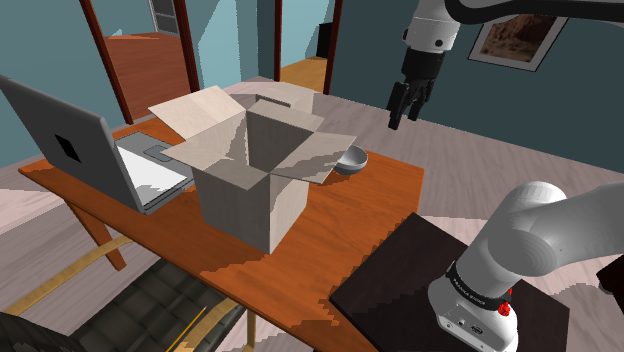
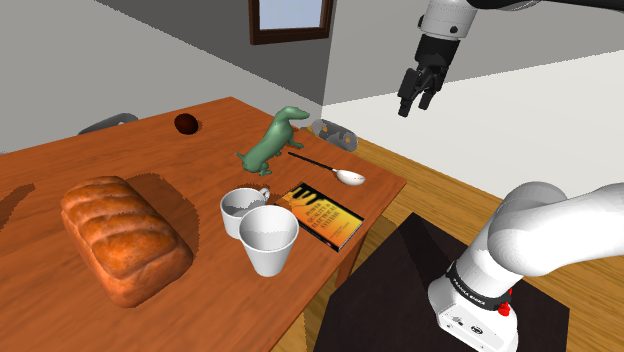
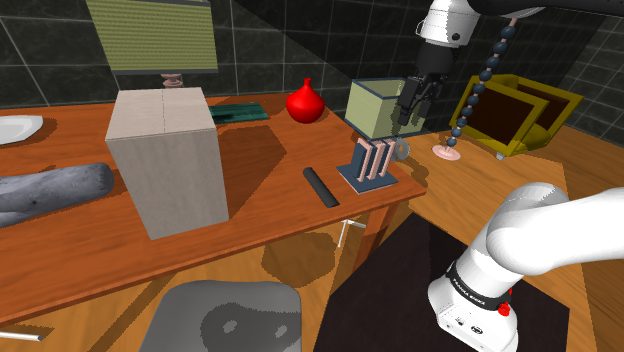
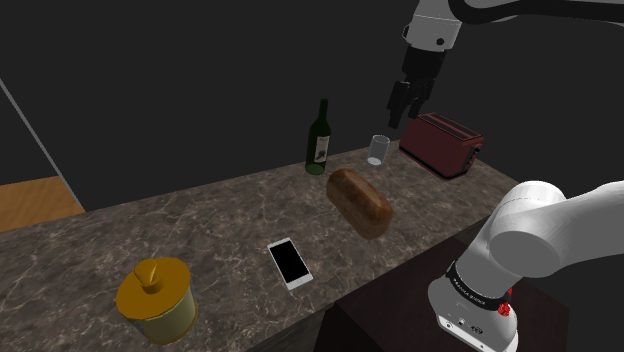
MolmoSpaces lets us vary two axes of task diversity: the object to manipulate and the scene it appears in. We scale from 1 to 144 training tasks and evaluate transfer to unseen scenes and unseen objects.
Training tasks
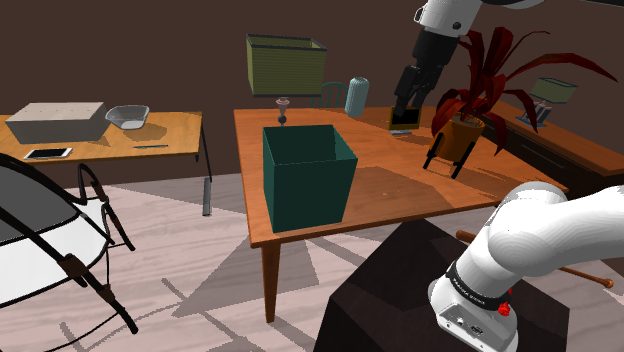
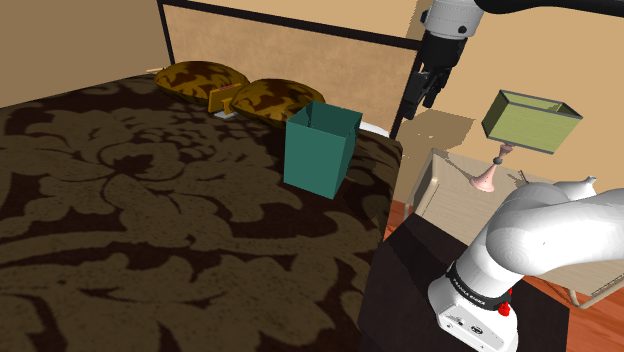
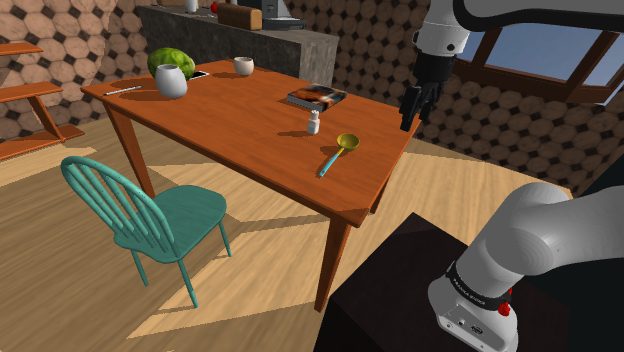
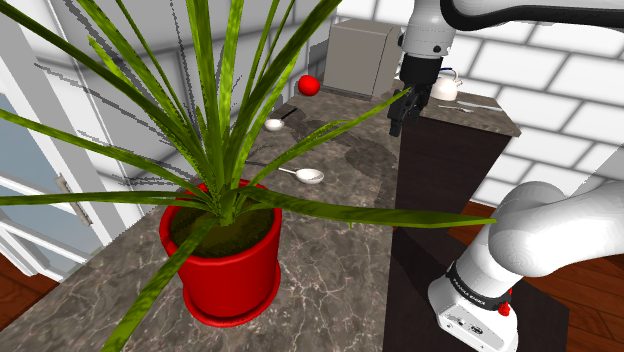
Unseen scenes
Unseen objects
Results
The first examples of generalization in RL post-training of robot foundation models
Single-task post-training generally leads to forgetting — while we can improve on the task we train on, performance degrades on others. However, as we scale the number of training tasks, critic-based recipes (OGPO and BoN) exhibit a transition from forgetting to generalization. We observe performance gains over the base policy of up to +58 pp for unseen scenes and +39 pp for unseen objects.

What kind of diversity matters?
Diversifying scenes helps generalize to new scenes and diversifying objects helps generalize to new objects. Only scaling object diversity surpasses the base policy on both axes in this comparison.
To achieve generalization to novel manipulation strategies, it is necessary to train on tasks requiring a diversity of manipulation behaviors, and doing so can transfer to robustness over the scene layout and appearance.

Transfer to unseen objects
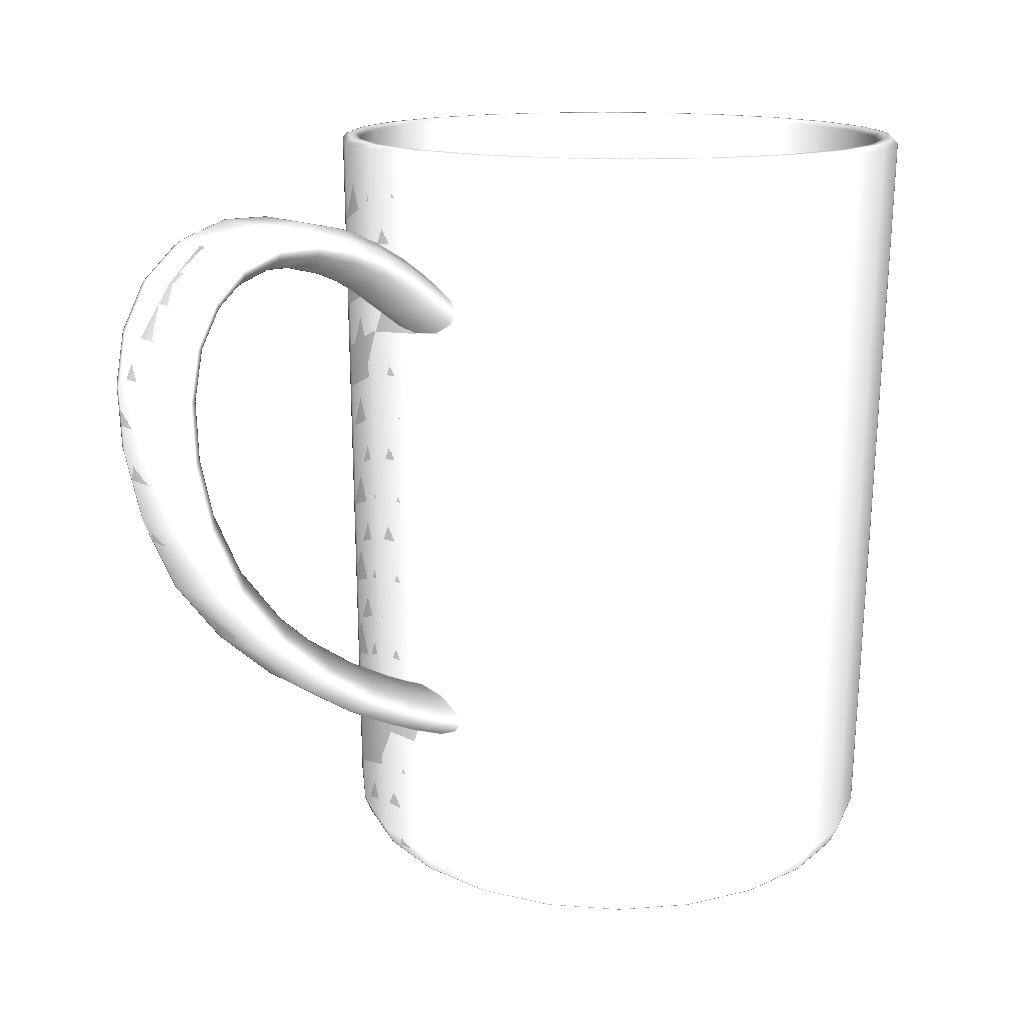
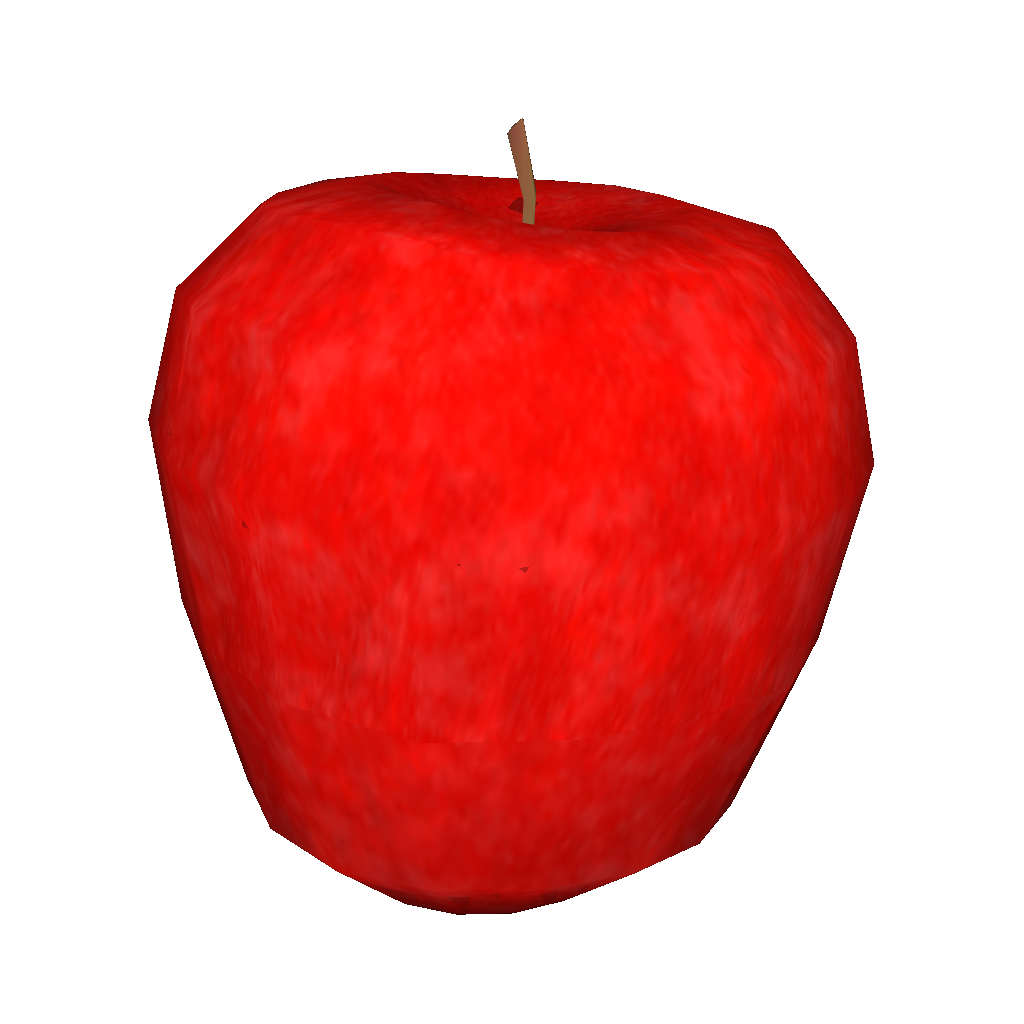
Scaling from 64 to 144 training tasks introduces four additional object categories:
Added training categories
- Salt shaker

- Soap dispenser

- Mug
- Fruit & vegetables
Transfer to unseen objects · 64 → 144 tasks
Wine bottle
Similar shapes added at 144 tasks
Salt shaker
Soap dispenser
No close shape match among the added objects
Choose an unseen object
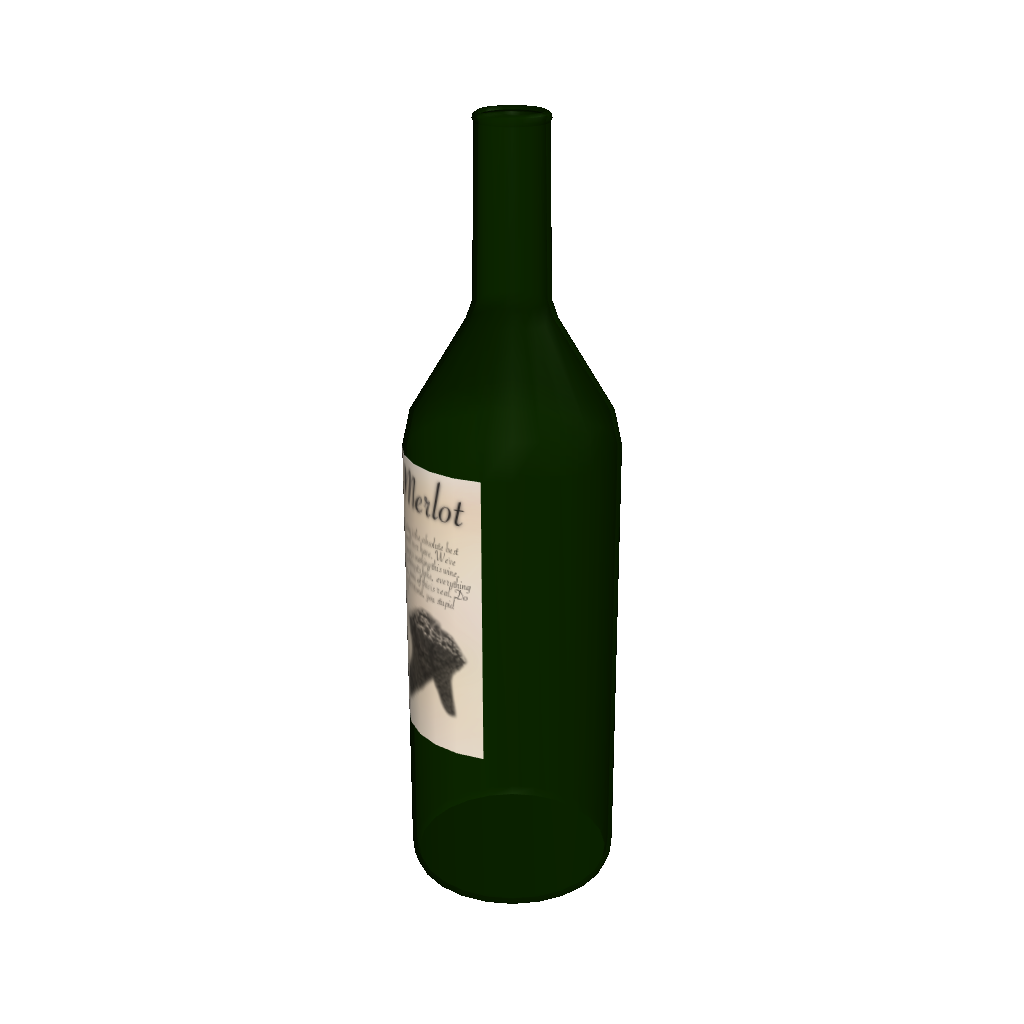
BoN improves most on atomizers and wine bottles from 64 to 144 tasks. Both share upright, bottle-like shapes with the newly added salt shakers and soap dispensers. The other evaluated objects have no close shape match among these additions and show little additional improvement. This pattern suggests that BoN transfers across similar object shapes.
For OGPO, the largest gain over the same range is on atomizers (about +16 percentage points). Wine-bottle success remains low, increasing from about 9% to 12%, while bowls, forks, and remote controls reach high success rates. The selected videos illustrate individual outcomes; the accompanying bars and plot show aggregate performance.

BibTeX
@misc{korniak2026reinforcementlearningenablesscaling,
  title = {Reinforcement Learning Enables Scaling Generalist Robot Policy Improvement},
  author = {Michal Korniak and
            Marco Bagatella and
            Ralf Römer and
            Michal Nauman and
            Yarden As and
            Pranav Vignesh and
            Manan Agarwal and
            Leander Diaz-Bone and
            Piotr Zalewski and
            Mikołaj Czarnecki and
            Lenart Treven and
            Shashwat Saxena and
            Sreyas Venkataraman and
            Sarvesh Patil and
            Zhiyuan Zhou and
            Daniel Marta and
            Oier Mees and
            Nur Muhammad Mahi Shafiullah and
            Carmelo Sferrazza and
            Bhavya Sukhija and
            Angela P. Schoellig and
            Andreas Krause and
            Max Simchowitz and
            Andrew Wagenmaker},
  year = {2026},
  eprint = {2611.06905},
  archivePrefix = {arXiv},
  primaryClass = {cs.LG},
  url = {https://arxiv.org/abs/2611.06905}
}
Acknowledgements
This work was supported under project IDs 143, 037 and 0220 as part of the Swiss AI Initiative, through a grant from the ETH Domain and computational resources provided by the Swiss National Supercomputing Centre (CSCS) under the Alps infrastructure.